🎸 IESS Music
Year 6 Music
Unit 1: Music Styles — Blues, Gospel, Jazz, Hip Hop & Pop
Weekly planning
 v.34
v.34
- Attendance & first introductions
- Who Am I? Musical introduction
- ⚡ MOVEMENT BREAK: Musical Name Game
- Classroom expectations & “3 Before Me”
- What will we learn? Quick preview
- Getting to know your musical selves
- Clean up & next week preview
💡 Did you know? The microphone was invented before the loudspeaker — early singers heard themselves through telephone receivers.
 v.35
v.35
- Attendance
- Welcome back & blues introduction
- ⚡ MOVEMENT BREAK: Feel the Blues
- 3 elements of music in blues
- Blues singing workshop
- Clean up & preview
💡 Did you know? BB King named every one of his guitars "Lucille" — after a fire started by two men fighting over a woman with that name.
 v.36
v.36
- Attendance
- Gospel origins
- ⚡ MOVEMENT BREAK: Gospel Celebration
- Gospel vs blues comparison
- Gospel singing practice
- Clean up
💡 Did you know? Thomas A. Dorsey, the "father of gospel music", started out playing blues piano under the name Georgia Tom.
 v.37
v.37
- Attendance
- Review both styles
- ⚡ MOVEMENT BREAK: iPad station setup
- iPad music creation — style exploration
- Instrument introduction
- Clean up
💡 Did you know? The "loudness war" is real: many modern songs are compressed so hard that a 1980s vinyl can have more dynamics than a streaming hit.
 v.38
v.38
- Attendance
- Jazz evolution story
- ⚡ MOVEMENT BREAK: Jazz Smooth Moves
- Jazz musical elements
- Simple jazz experience
- Clean up
💡 Did you know? Ella Fitzgerald planned to dance at her first amateur night in 1934 — she got nervous and sang instead. She won.
v.39
- Attendance
- Jazz review & practice
- ⚡ MOVEMENT BREAK: iPad jazz lab setup
- iPad jazz creation workshop
- Style comparison game
- Clean up
💡 Did you know? Ella Fitzgerald planned to dance at her first amateur night in 1934 — she got nervous and sang instead. She won.
 v.40
v.40
- Attendance
- Hip hop origins & culture
- ⚡ MOVEMENT BREAK: Hip hop beat creation
- iPad hip hop production
- Hip hop showcase
- Clean up
💡 Did you know? Hip hop was born at a birthday party: DJ Kool Herc spinning breaks for his sister Cindy in the Bronx, August 1973.
 v.41
v.41
- Attendance
- Comprehensive style review
- ⚡ MOVEMENT BREAK: Style station rotation
- Assessment preparation
- Clean up
💡 Did you know? A grand piano has over 12,000 parts, and its strings together pull with a force of around 20 tonnes.
v.42
- Attendance
- Assessment part 1: listening test
- Assessment part 2: practical
- Assessment feedback
- Clean up
💡 Did you know? A grand piano has over 12,000 parts, and its strings together pull with a force of around 20 tonnes.
v.43
- Attendance
- Unit 2 introduction
- ⚡ MOVEMENT BREAK: Creative energy warm-up
- Song structure analysis
- Choose your style & planning
- Clean up
💡 Did you know? The "loudness war" is real: many modern songs are compressed so hard that a 1980s vinyl can have more dynamics than a streaming hit.
 v.44
v.44
No lessons — enjoy and recover!
v.45
- Attendance
- Song project introduction
- ⚡ MOVEMENT BREAK: Creative energy
- iPad-powered creation workshop
- Progress sharing circle
- Clean up
💡 Did you know? The "loudness war" is real: many modern songs are compressed so hard that a 1980s vinyl can have more dynamics than a streaming hit.
v.46
- Attendance
- Quick warm-up & iPad setup
- ⚡ MOVEMENT BREAK: Performance prep
- Intensive iPad creation session
- Final preparation & testing
- Clean up
💡 Did you know? The "loudness war" is real: many modern songs are compressed so hard that a 1980s vinyl can have more dynamics than a streaming hit.
 v.47
v.47
- Attendance
- Final rehearsals
- ⚡ MOVEMENT BREAK: Performance confidence building
- Performance day setup
- Clean up
💡 Did you know? The Beatles performed live together for the last time on a London rooftop — the police shut it down after 42 minutes.
v.48
- Attendance
- Student performances
- Immediate reflection
- Clean up
💡 Did you know? The microphone was invented before the loudspeaker — early singers heard themselves through telephone receivers.
v.49
- Attendance
- Detailed feedback session
- ⚡ MOVEMENT BREAK: Musical journey celebration
- Term journey review
- Clean up
💡 Did you know? A grand piano has over 12,000 parts, and its strings together pull with a force of around 20 tonnes.
v.50
- Attendance
- Optional extra lesson or catch-up time if needed
- Gingerbread and carols 🎅
- Clean up
💡 Did you know? Listening to music you love makes your brain release dopamine — the same reward chemical as eating your favourite food.
v.51
- Attendance
- Wrap-up
- Clean up
God jul! 🎄
💡 Did you know? Listening to music you love makes your brain release dopamine — the same reward chemical as eating your favourite food.
Fun & practice 🎮
About the course
But here’s what most people don’t know: every song on your phone, every beat that makes you move, every melody that gets stuck in your head — it all traces back to the same musical DNA. This term, we’re going to discover that DNA and learn how to use it.
Why do we study music? (from the curriculum)
Music exists in all cultures and touches people physically, mentally and emotionally. As a form of aesthetic expression, music is used in a variety of contexts, has different functions and means different things to each of us. It is also an important part of people’s social community and plays a role in the development of an individual’s identity. In our time, music from different cultures and time periods is combined with other art forms in new expressions.
Proficiency in and knowledge of music increases opportunities to participate in the cultural life of society.
Our goals in Year 6 (LGR22)
Music at school follows the Swedish national curriculum, LGR22. The subject develops three long-term abilities:
- Sing and play in different musical forms and genres
- Create music and express and communicate thoughts and ideas in musical form
- Experience and reflect on music’s content, function and meaning in different social, cultural and historical contexts
For Year 6 (the end of the åk 4–6 stage) this means we will:
- Sing and play melody and accompaniment in different genres, in unison and in parts
- Improvise and compose using the musical building blocks: pulse, rhythm, tempo, time signatures, dynamics, phrases, musical form and chords
- Use our voices in different vocal expressions, play chord, melody, bass and percussion instruments, and create music with digital tools
- Read music symbols, chord symbols and basic notation
- Take care of our voices and hearing when we make music
- Combine music with other forms of expression, and learn how instruments work in different ensembles
- Recognize the musical characteristics of art music, folk music and popular music from different cultures, and reflect on what music means for people and society
Year 6 is a graded year: assessment looks at how you perform your part when we sing and play together, how you express ideas when creating music, and how you identify instruments and style characteristics in different kinds of music.
The purpose of the unit
- Discover: the origin and evolution of blues, gospel, jazz, and hip-hop — and understand how they connect to today’s music
- Experience: what it’s like to work as a professional music ensemble — the collaboration, creativity, and problem-solving that happens when musicians work together
- Create: your own musical expressions using traditional instruments, voices, and modern digital tools
- Connect: how these musical styles shaped society, culture, and continue to influence the music industry today
Learning outcomes
- To learn the characteristics and elements of different music styles
- To learn music theory and music history
- To learn how to play individually and as a band (ensemble)
- To learn the proper language and terms to express myself in music as well as to society
Unit 2: Composing and Creation — Create a Song
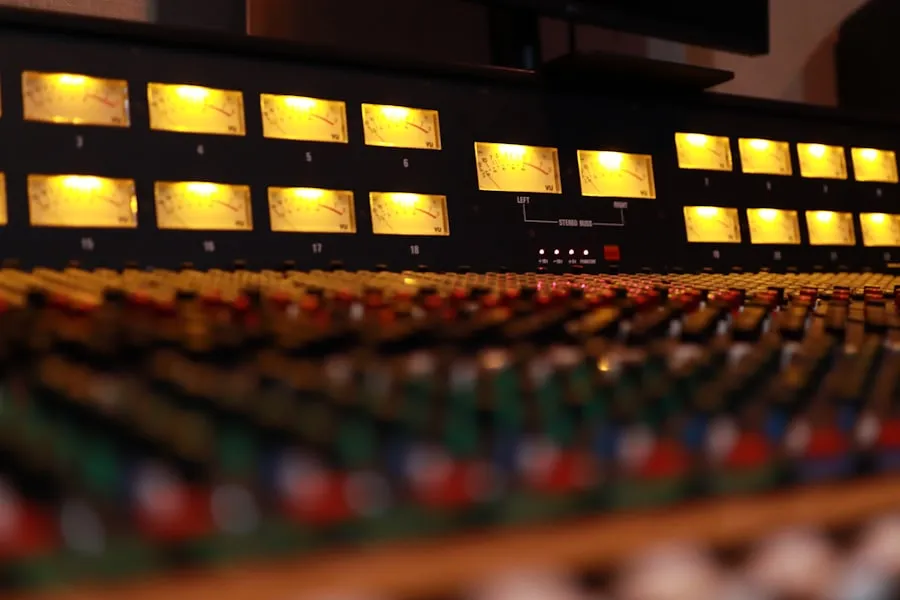
Later in the term we move from listening and playing to creating: analysing song structure, choosing a style, and building your own song with instruments, voices and iPads, finishing with performances.
Listening examples
Click a style to listen, or an artist name to read about them.

Support times
Updates soon! Room: Folkets Park