IESS Music
Year One at the Label
Year 7 Music · Autumn HT2026
Weekly planning
For students: your start page →
 S1 · v.34
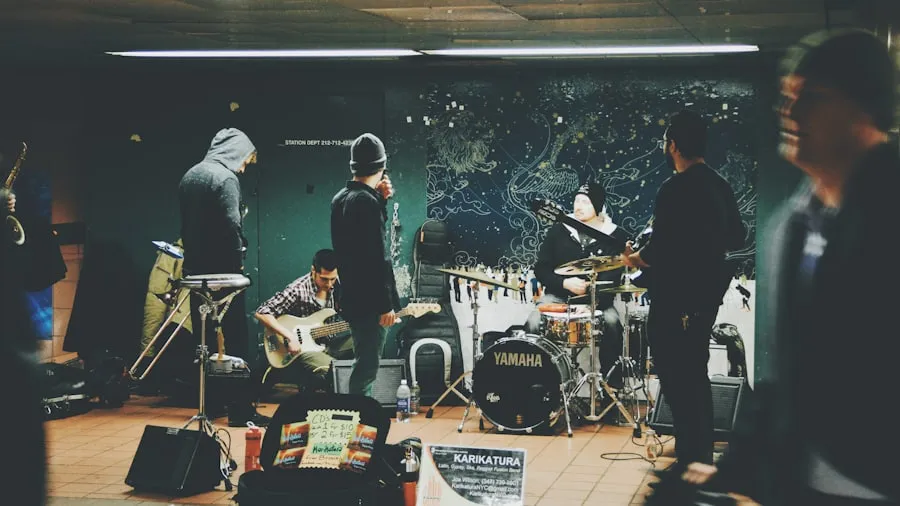
New year, bigger sounds! We map out the term: music history, a notation deep dive, the Band Project and Soundtrap Studio, and dig into something every musician at this level must know: how loud is too loud, what actually damages your hearing and voice, and how to protect them for life.
Did you know? The Who played so loud in 1976 (126 decibels) that they made the Guinness Book of Records. Guitarist Pete Townshend later lost much of his hearing.
From Blues to Hip Hop
S2-S4 · v.35-37 · 3 sessions 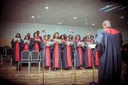 S2 · v.35
You know the blues, now we follow where it went. A quick recap, then we trace how gospel's church power turned into soul: Sam Cooke, Aretha Franklin, and the voice as the greatest instrument of all.
Did you know? Thomas A. Dorsey, the 'father of gospel music', started out playing blues piano under the name Georgia Tom.
 S3 · v.36
Blues plus speed plus attitude equals rock'n'roll. We follow the line from Chuck Berry and Sister Rosetta Tharpe through Elvis and the Beatles to the rock you hear today, and listen for the blues DNA hiding inside all of it.
Did you know? Chuck Berry's 'Johnny B. Goode' is aboard the Voyager space probes: if aliens ever find them, rock'n'roll is part of humanity's introduction.
 S4 · v.37
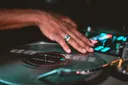
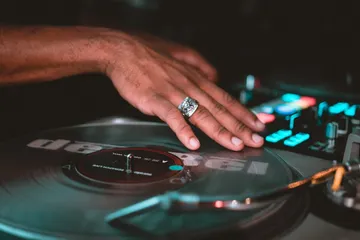
The final chapter of our evolution story: how DJs in the Bronx looped drum breaks at block parties and invented hip hop. Sampling, rapping, beats: how a party trick from 1973 became the world's biggest genre, and how hip hop became a voice for identity and community.
Did you know? The first big hip hop record, 'Rapper's Delight' (1979), was recorded in one single take, almost 15 minutes long.
Music in Film & Games
S5 · v.38 · 1 sessions  S5 · v.38
How does music make a scene scary, a boss fight epic, a victory sweet? We analyse film scores and game soundtracks: leitmotifs (a character's own melody), tension, silence, and how two notes can terrify the world. We close the history chapter with the big blues-to-hip-hop Kahoot.
Did you know? John Williams' Jaws theme uses just two alternating notes, and made a whole generation afraid of swimming.
Notation Deep Dive
S6-S7 · v.39-40 · 2 sessions  S6 · v.39
We dust off the notes, rests and values from Year 6, then go further: dotted notes, ties, and how rests shape music just as much as sound does. Reading music is a superpower; this week we level it up.
Did you know? Beethoven kept composing after going deaf: he sawed the legs off his piano and felt the vibrations through the floor.
S7 · v.40
Sixteenth notes, dynamics from pianissimo to fortissimo, and the musician's everyday tool: the chord chart. We learn to read the exact kind of chart your band will play from in the next block: this is the bridge into the Band Project.
Did you know? Tchaikovsky's 1812 Overture calls for real cannons in the score, one of the loudest markings ever written into music.
The Band Project
S8-S11 · v.41-45 · 4 sessions S8 · v.41
The Band Project begins! First: wake up the fingers. We refresh the four chords from Year 6 (E, C, G and D), get the switches smooth again, and look at the roles a band needs: guitar, keys, bass, drums, vocals.
Did you know? Status Quo liked to joke that they built a 40-year stadium career on three chords.
S9 · v.42
Bands form this week: at least four members, everyone with a role. Together you pick a song that works with our chords, read its chord chart, and make a rehearsal plan. Choose wisely: this is the song you'll perform.
Did you know? ABBA's 'Dancing Queen' reached number one in the USA in 1977, still Sweden's biggest musical export moment.
S10 · v.43
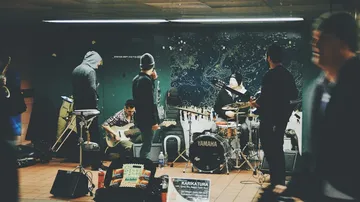
Full rehearsal: your band runs the song from count-in to ending. The real skills this week are listening to each other, keeping a shared pulse, and fixing the rough spots instead of restarting. Then höstlov: keep the song in your head! 🍂
Did you know? When people sing together, their heartbeats start to beat in time with each other.
 v.44
v.44
No lessons, enjoy and recover!
S11 · v.45
Showtime. A focused final rehearsal, then every band performs their song for the class. Nerves are part of the deal, so is the feeling right after. This is what the whole block has been building toward.
Did you know? Queen's 20-minute set at Live Aid in 1985 is often called the greatest live performance of all time.
Soundtrap Studio
S12-S16 · v.46-50 · 5 sessions S12 · v.46
Everyone gets their own studio: one student, one computer. We learn Soundtrap's basics (tracks, the timeline, tempo, recording and playback) and make our first sounds. From here to Christmas, you're a producer.
Did you know? Soundtrap was founded in Stockholm: the studio you're working in was born in Sweden.
S13 · v.47
Soundtrap's built-in loops are your instrument library. We learn to browse, combine and trim loops so they groove together (drums with bass, chords with melody) and improvise our own melodies on top with the on-screen keyboard. A full soundscape, built by you.
Did you know? The 'Amen break' (a six-second drum solo from 1969) has been sampled in thousands of songs, from hip hop to drum'n'bass.
S14 · v.48
Now it's your song. The assignment: compose a track with three distinct sections (for example intro, verse and chorus) that sound different but belong together. Form is the week's secret weapon: it's what makes a song a song.
Did you know? Billie Eilish and her brother Finneas recorded her debut album in a bedroom, with the same kind of tools you're using now.
S15 · v.49
Producer week: volume balance, panning, effects, transitions between your sections. We listen with fresh ears, kill what doesn't work, and polish what does. Small decisions make big differences now.
Did you know? The 'loudness war' is real: many modern songs are compressed so hard that a 1980s vinyl can have more dynamics than a streaming hit.
S16 · v.50
Deadline week: final fixes and export. Your song leaves the studio. We also tackle a real producer question: who owns a song built from loops, and what are you actually allowed to do with music you release?
Did you know? Ed Sheeran has been sued several times over his chords, and courts have ruled that no one can own a chord progression.
S17 · v.51
Release party! We listen to everyone's Soundtrap songs on the big speakers, the bands play an encore for anyone who dares, and we wrap the term with a Kahoot on everything from gospel to loops. God jul! 🎄
Did you know? Mariah Carey says 'All I Want for Christmas Is You' was written in about 15 minutes, and it still earns millions every December, 30 years later.
About the course
Last year you learned where the blues came from. This year we follow the whole river: how blues became soul, rock and hip hop. Then you form a real band and perform, and finish the term as a producer in Soundtrap, releasing a song with your name on it.
The four blocks this term
- From Blues to Hip Hop (v35-v37): a quick blues recap, then the evolution: gospel & soul, the birth of rock, and hip hop from block party to world stage
- Music in Film & Games (v38): how music steers feelings in film and games, plus the big history Kahoot
- Notation Deep Dive (v39-v40): recap of notes, rests and values, then further: dotted notes, ties, sixteenths, dynamics and chord charts
- The Band Project (v41-v45): refresh the four chords from Year 6, form a band of at least four, pick a song, rehearse, and perform it live
- Soundtrap Studio (v46-v50): one student, one computer: learn the studio, master loops, and compose your own song with three distinct sections
The term ends with the Release Party in v51: everyone's Soundtrap songs on the big speakers.
Why do we study music? (from the curriculum)
Music exists in all cultures and touches people physically, mentally and emotionally. As a form of aesthetic expression, music is used in a variety of contexts, has different functions and means different things to each of us. It is also an important part of people's social community and plays a role in the development of an individual's identity. In our time, music from different cultures and time periods is combined with other art forms in new expressions.
Proficiency in and knowledge of music increases opportunities to participate in the cultural life of society.
Our goals in Year 7 (LGR22)
Music at school follows the Swedish national curriculum, LGR22. The subject develops three long-term abilities:
- Sing and play in different musical forms and genres
- Create music and express and communicate thoughts and ideas in musical form
- Experience and reflect on music's content, function and meaning in different social, cultural and historical contexts
Year 7 is the start of the åk 7-9 stage. This means we will:
- Sing and play melody and accompaniment with genre-typical expression, in unison and in parts
- Improvise rhythmically and melodically, and compose in different genres, for example songs and sound compositions
- Play chord, melody, bass and percussion instruments, and create music with digital tools
- Work with the musical building blocks, now including accompaniment models and bass lines
- Read music symbols, chord symbols and notation: the working language of musicians
- Understand what can damage voice and hearing, and how to prevent it
- Know your rights and responsibilities when using music in different contexts
- Follow how genres emerge from each other, and meet central songwriters, composers and works
Assessment in Year 7 looks at how you perform your part when we sing and play together, how you express ideas when creating music, and how you distinguish instruments and style characteristics in different kinds of music.
How this term covers the curriculum
- From Blues to Hip Hop → the emergence of genres and central songwriters and works; music's role in identity, norms and community
- Music in Film & Games → music as a meaning-making form of expression in different media
- Notation Deep Dive → music symbols, chord symbols and basic notation; musical building blocks
- The Band Project → singing and playing with genre-typical expression, in ensemble; accompaniment on chord instruments
- Soundtrap Studio → composition in different genres with digital tools; musical form; rights and responsibilities when using music (loops, releasing)
- Kickoff week → causes of voice and hearing damage, and how to prevent them
Music is taught in half-class groups, one term per school year: this term is the complete Year 7 music course for this group. Coming in Year 8 and Year 9: art music and folk music across time periods, deeper improvisation, and more music in film and games.
Listening examples
Click a style to listen, or an artist name to read about them.
Support times
Updates soon! Room: Folkets Park