IESS Music
Season 1: The Secret History of Music
Year 6 Music · Autumn HT2026
Weekly planning
 E1 · v.34
Welcome back! We kick off the year with the term map, four big blocks: Blues History, AI Music Creation, Notes & Score, and Guitar Basics. We also talk about something every musician needs to know: how to take care of your voice and your hearing.
Did you know? The tiny hair cells in your inner ear that detect sound never grow back once they're damaged, which is why smart musicians protect their ears.
Blues History
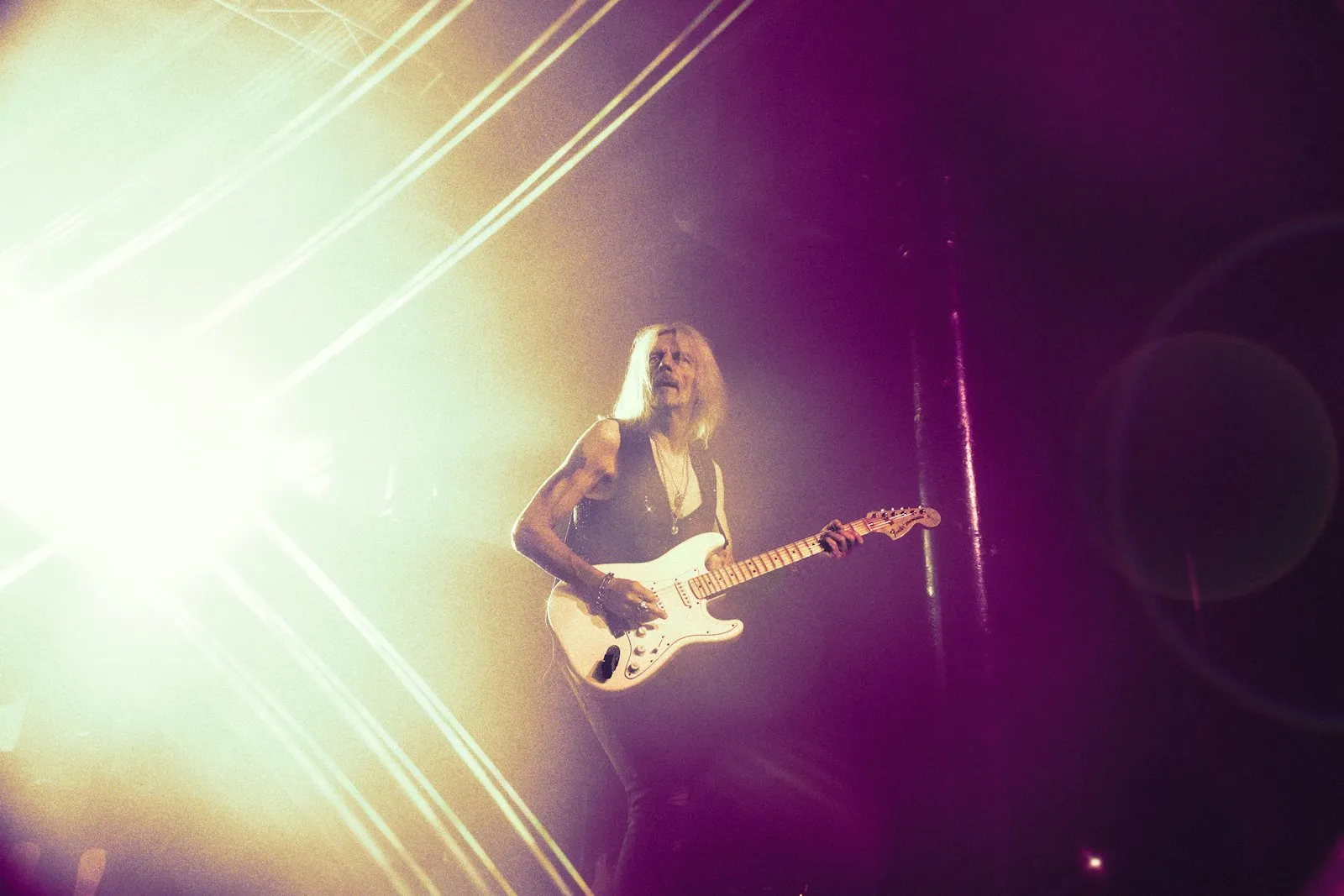
E2-E4 · v.35-37 · 3 episodes  E2 · v.35
This week we travel to where the blues was born: the work songs and spirituals of the Mississippi Delta. We listen to early Delta blues and try call-and-response singing ourselves, the oldest musical conversation there is.
Did you know? Composer W.C. Handy first heard the blues in 1903, at a Mississippi train station, from a man playing guitar with a knife blade.
E3 · v.36
We crack the code behind a thousand songs: the 12-bar blues form. We meet the legends (Robert Johnson and the crossroads story, B.B. King and Lucille) and sing the blues together. Try building your own in the 12-Bar Blues Builder.
Did you know? BB King named every one of his guitars 'Lucille,' after a fire started by two men fighting over a woman with that name.
E4 · v.37
The block finale: we crack the 12-bar blues form properly, hear it, count it and build it ourselves, write our own AAB blues verses, and gather up everything we have learned about the blues.
Did you know? The Rolling Stones took their name from a Muddy Waters blues song. British rock was built almost entirely on the blues.
 E5 · v.38
A lighter week: we replay everything blues through Kahoot, the Name That Style ear trainer and the Break Wheel, and catch up on anything we didn't finish. This is also the term's flex week: if a lesson disappears somewhere, this is where we recover.
Did you know? Listening to music you love makes your brain release dopamine, the same reward chemical as eating your favourite food.
AI Music Creation
E6-E8 · v.39-41 · 3 episodes  E6 · v.39
The AI block begins! We learn what AI-generated music is and how a prompt works. First task: listen to the real Robert Johnson, then prompt an AI blues song in his style, and compare it with the original.
Did you know? A computer played music for the very first time in 1951. The machine filled an entire room and could barely hold a tune.
E7 · v.40
Task two: choose a song you love and describe it like a producer: style, instruments, tempo, mood, then prompt, listen and improve. We also talk about a big question: who actually owns AI music?
Did you know? Courts in the US have ruled that music made entirely by AI can't be copyrighted: only humans can own a song.
E8 · v.41
The Dreamsong: a song prompted purely from your memory and imagination, no reference allowed. Put a feeling into words and the words into music. We end with a listening gallery of everyone's dreamsongs.
Did you know? Paul McCartney dreamed the melody of 'Yesterday.' He woke up and rushed to the piano to play it before it disappeared.
Music Worlds
E9 · v.42 · 1 episodes 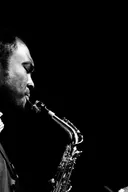 E9 · v.42
One lesson, three worlds. We travel from the concert hall (Beethoven, how art music builds drama), via Swedish folk music (Väsen, fiddles, dance rhythms and drive), to the Sami jojk (Sofia Jannok, singing that paints a person or a place). We hunt for the building blocks we know from the blues and compare the klang: same ingredients, completely different sound.
Did you know? The world's slowest concert is happening right now: an organ piece in Germany that started in 2001 and ends in 2640.
Notes & Score
E10-E12 · v.43-46 · 3 episodes  E10 · v.43
Music you can read! We discover why notation exists and learn the staff, the clef and the note names, with games at the piano. Then it's höstlov. 🍂
Did you know? Music notation was invented about 1,000 years ago by Guido of Arezzo, a monk who was tired of singers forgetting their melodies.
v.44
No lessons: enjoy and recover!
E11 · v.45
Back from the break, we dive into rhythm: note values from whole notes to eighths, pulse and time signatures. We clap, count and echo rhythms until reading them feels natural.
Did you know? Your heart syncs with music: calm songs can slow your pulse down, and fast songs speed it up.
E12 · v.46
We put it all together: reading melodies and rhythms from the page, dynamics from soft to loud (p and f), how notes group into phrases (music's sentences), drawing sounds with graphic notation, and meeting the chord symbols E, C, G and D, the exact four you'll play on the guitar starting next week. 🎸
Did you know? The comedy band Axis of Awesome once played 47 famous hit songs in a single medley, using just four chords.
Guitar Basics
E13-E16 · v.47-50 · 4 episodes  E13 · v.47
Guitar block! We get to know the acoustic guitar: its parts, how to hold it, and learn our first chord: E. We strum with the pulse and play and sing together from the very first lesson.
Did you know? The oldest guitar-like instrument we know of is over 3,500 years old. It was found in an Egyptian tomb.
E14 · v.48
Chord number two: C. The real skill this week is switching: moving between E and C without losing the beat, and with two chords we can already play and sing real songs.
Did you know? Jimi Hendrix was left-handed but played a right-handed guitar, flipped upside down and restrung.
E15 · v.49
Chord number three: G. We drill the switches, build chord changes into our muscle memory, and play and sing three-chord songs, so most of pop music is suddenly within reach.
Did you know? The strings on an acoustic guitar pull with a combined force of around 70 kg: your guitar is basically holding up a grown adult.
E16 · v.50
The last piece: D. With E, C, G and D complete we play full four-chord songs, the same four chords behind countless hits, and rehearse for next week's big jam.
Did you know? 'Let It Be', 'No Woman No Cry' and 'Wonderwall' are more or less the same four chords wearing different clothes.
E17 · v.51
The grand finale: the Four-Chord Jam, a real mini-ensemble with guitars, one-note bass lines, percussion and voices, everyone with their own part. We wrap up the term with a big Kahoot on everything we've learned: blues, AI music, notes and guitar. God jul! 🎄
Did you know? The Beatles performed live together for the last time on a London rooftop. The police shut it down after 42 minutes.
About the course
This term we work in four big blocks instead of a new topic every week: first we dig into where the blues came from, then we use AI to create music ourselves, then we learn to read the map of music, notes and scores, and we finish the term with a guitar in our hands and four chords that unlock thousands of songs.
The four blocks this term
- Blues History (v35-v37): where the blues was born, the 12-bar form, the legends, and singing and improvising the blues ourselves
- AI Music Creation (v39-v41): three creation tasks: prompt a blues song in Robert Johnson style, recreate a song you love, and the Dreamsong, a song purely from your imagination
- Music Worlds (v42): one lesson, three worlds: art music, Swedish folk music and Sami jojk, same building blocks, completely different sound
- Notes & Score (v43, v45-v46): note names, rhythm values, chord symbols and reading music
- Guitar Basics (v47-v50): the acoustic guitar and the four chords E, C, G and D, playing and singing from the very first lesson
Game week v38 is the term's flex week (recap and catch-up), and the whole term ends with the Four-Chord Jam in v51.
Why do we study music? (from the curriculum)
Music exists in all cultures and touches people physically, mentally and emotionally. As a form of aesthetic expression, music is used in a variety of contexts, has different functions and means different things to each of us. It is also an important part of people's social community and plays a role in the development of an individual's identity. In our time, music from different cultures and time periods is combined with other art forms in new expressions.
Proficiency in and knowledge of music increases opportunities to participate in the cultural life of society.
Our goals in Year 6 (LGR22)
Music at school follows the Swedish national curriculum, LGR22. The subject develops three long-term abilities:
- Sing and play in different musical forms and genres
- Create music and express and communicate thoughts and ideas in musical form
- Experience and reflect on music's content, function and meaning in different social, cultural and historical contexts
For Year 6 (the end of the åk 4-6 stage) this means we will:
- Sing and play melody and accompaniment in different genres, in unison and in parts
- Improvise and compose using the musical building blocks: pulse, rhythm, tempo, time signatures, dynamics, phrases, musical form and chords
- Use our voices in different vocal expressions, play chord, melody, bass and percussion instruments, and create music with digital tools
- Read music symbols, chord symbols and basic notation
- Take care of our voices and hearing when we make music
- Combine music with other forms of expression, and learn how instruments work in different ensembles
- Recognize the musical characteristics of art music, folk music and popular music from different cultures, and reflect on what music means for people and society
Year 6 is a graded year: assessment looks at how you perform your part when we sing and play together, how you express ideas when creating music, and how you identify instruments and style characteristics in different kinds of music.
How this term covers the curriculum
- Blues History → musical characteristics of popular music, music's meaning for people and society, singing, imitation and improvisation
- AI Music Creation → creating music with digital tools, expressing and communicating your own ideas in musical form
- Notes & Score → music symbols, chord symbols, graphic notation and basic note reading; pulse, rhythm and time signatures
- Guitar Basics → playing a chord instrument, accompaniment, singing and playing together
- Kickoff week → voice care and hearing care when we make music
- Music Worlds → characteristics of art music, folk music and jojk; klang, how the same building blocks sound different across worlds
- Four-Chord Jam → ensemble playing in parts: guitars, bass lines, percussion and voices
Music is taught in half-class groups, one term per school year: this term is the complete Year 6 music course for this group.
Listening examples
Click a style to listen, or an artist name to read about them.
Support times
Updates soon! Room: Folkets Park